
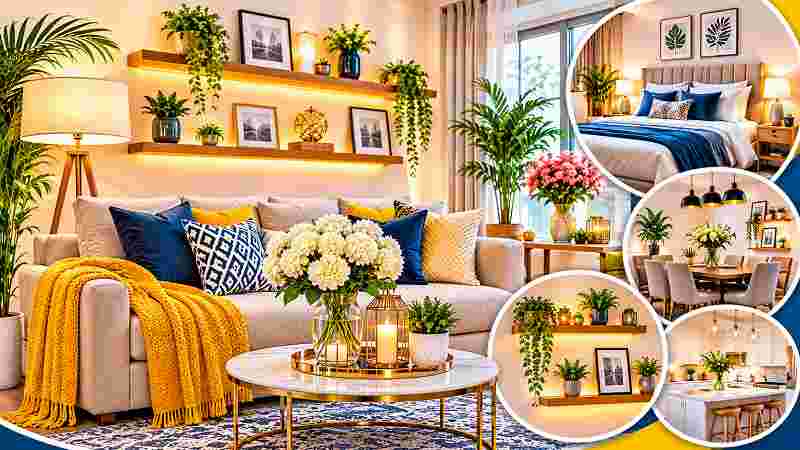
Decorating a home is about more than choosing attractive furniture or following popular interior design trends. A well-designed space should feel comfortable, look balanced, and support the everyday activities of the people living in it. Even small changes, such as improving lighting, rearranging furniture, or introducing suitable colours, can make a noticeable difference.
People searching for decoration tips decoradhouse from decoratoradvice may want practical inspiration for improving their living spaces without spending too much money. Understanding basic decorating principles can help homeowners make better choices, avoid unnecessary purchases, and create rooms that reflect their personal preferences.
Whether you are decorating a new property or refreshing an existing room, a thoughtful approach can help you achieve attractive and functional results.
1. Start With a Clear Decorating Plan
Before purchasing furniture, paint, or accessories, decide what you want to achieve. Every room has different requirements, so its design should reflect its purpose.
For example, a living room may need comfortable seating and open pathways, while a bedroom should support relaxation and provide enough storage. A home office requires suitable lighting, a practical desk, and an organised layout.
Understand Your Available Space
Measure the room before buying large furniture. Record the dimensions of walls, windows, doors, and other permanent features.
Consider the following points:
- How much natural light enters the room?
- Where are the electrical outlets?
- Which areas need additional storage?
- How many people regularly use the space?
- Is there enough room to move comfortably?
A simple floor plan can help you visualise furniture placement before moving heavy items.
2. Choose a Balanced Colour Scheme
Colour has a strong influence on the appearance and atmosphere of a room. Light colours can make smaller spaces feel more open, while darker shades can create a comfortable and intimate setting.
However, the best colour depends on room size, natural light, furniture, and personal taste.
Combine Main and Accent Colours
Begin with a main colour for walls or larger surfaces. Add one or two supporting colours through furniture, curtains, rugs, or decorative accessories.
For example, a living room with warm beige walls may look balanced with wooden furniture, cream upholstery, and muted green cushions.
Test Paint Before Applying It
Paint samples can appear different under daylight and artificial lighting. Test a small section of the wall and observe it at different times before making a final decision.
When exploring decoration tips decoradhouse from decoratoradvice, remember that a consistent colour palette can connect different rooms while allowing each space to maintain its own character.
3. Arrange Furniture for Comfort and Function
Furniture placement affects how a room looks and how easily people can use it. Even attractive furniture can make a space uncomfortable when it blocks walkways or creates unnecessary crowding.
Create a Natural Layout
Start with the largest furniture item and arrange the remaining pieces around it. In a living room, the sofa often provides the starting point. Position chairs and tables to support conversation without restricting movement.
Avoid pushing every item against a wall automatically. Depending on the room’s size, a slightly more central arrangement may create a better seating area.
Select Furniture That Fits the Room
Large furniture can overwhelm a small room, while very small pieces may look out of proportion in a spacious interior.
Before buying anything, check its measurements and consider how much space will remain when doors, drawers, and cabinets are open.
Multi-purpose furniture can also be useful in smaller homes. Storage beds, nesting tables, folding desks, and sofa beds provide flexibility without requiring separate items for every activity.
4. Improve Lighting in Every Room
Lighting is an important part of interior decoration because it affects visibility, comfort, and the appearance of colours and materials.
A practical lighting plan usually combines three types of lighting.
Ambient Lighting
Ambient lighting provides general illumination throughout a room. Ceiling fixtures, recessed lights, and suitable wall lights can serve this purpose.
Task Lighting
Task lighting supports specific activities. Desk lamps, kitchen worktop lights, and bedside reading lamps are common examples.
Accent Lighting
Accent lighting highlights selected features, such as artwork, shelves, architectural details, or decorative objects.
Whenever possible, make use of natural daylight. Keep windows reasonably clear and choose curtains that allow suitable light control. Combining natural and artificial lighting makes rooms more adaptable throughout the day.
5. Add Texture and Decorative Accessories
Decorative accessories help give a room personality. Cushions, rugs, curtains, artwork, plants, and mirrors can introduce colour and texture without requiring major renovation work.
However, too many accessories can make a room feel crowded.
Mix Different Materials
Combining different textures can make a simple interior more interesting. For example, wooden furniture can work well with soft fabrics, ceramic decorations, woven baskets, and metal lighting fixtures.
Try to maintain a balance rather than introducing too many competing materials.
Use Mirrors Carefully
Mirrors can reflect daylight and create a greater sense of openness. A mirror placed opposite or near a window may help distribute natural light across the room.
Choose a size and frame that complement the surrounding furniture. Avoid placing mirrors where they reflect unnecessary clutter.
6. Make Small Rooms Feel More Spacious
Small rooms require careful planning because every piece of furniture occupies valuable space. The goal should be to maintain functionality while avoiding visual clutter.
Useful approaches include:
- Choose furniture with simple shapes and suitable proportions.
- Use vertical shelves to make better use of wall space.
- Select light or visually simple window coverings.
- Keep frequently used surfaces organised.
- Choose furniture with built-in storage where practical.
- Maintain clear pathways between furniture pieces.
Storage baskets, wall-mounted cabinets, and under-bed storage can also help organise everyday belongings.
7. Decorate on a Realistic Budget
A stylish home does not require replacing everything. In many cases, improving the existing layout and updating a few details can create a fresh appearance.
Start by identifying which parts of the room need attention. If the furniture is still in good condition, consider changing its arrangement instead of buying replacements.
Other affordable improvements include:
- Repainting a tired-looking wall.
- Replacing outdated cabinet handles.
- Adding new cushion covers.
- Updating lampshades.
- Introducing suitable indoor plants.
- Reorganising shelves and display areas.
The ideas behind decoration tips decoradhouse from decoratoradvice are most effective when they help people make practical choices based on their available space and budget.
8. Avoid Common Home Decorating Mistakes
Some decorating decisions can reduce comfort even when they appear attractive.
One common mistake is buying furniture before measuring the room. Another is choosing colours without considering natural lighting.
Other issues include hanging artwork too high, using rugs that are too small, overcrowding shelves, and selecting delicate materials for areas that receive heavy daily use.
To avoid these problems, plan before you shop, compare options, and consider maintenance canbx.
Rizz, avoid following every new trend. Trends can inspire, but your home should reflect your lifestyle rather than temporary design preferences.
Conclusion
Creating a beautiful home begins with understanding how each room should look and function. A balanced colour scheme, suitable furniture arrangement, effective lighting, and carefully selected accessories can improve an interior without requiring a large budget.
The most useful decoration tips decoradhouse from decoratoradvice encourage thoughtful planning and practical improvements instead of unnecessary spending. Start with small changes, focus on comfort, and choose materials and designs that suit your everyday needs. With patience and consistency, you can create a welcoming home that remains attractive and functional over time. See more
5. Frequently Asked Questions
1. How can I decorate my home without spending much money?
Rearrange existing furniture, update cushion covers, repaint selected areas, introduce affordable accessories, and organise storage. Small improvements can refresh a room without a major investment.
2. Which colours make a room look bigger?
Soft white, cream, pale grey, and other light shades can make many rooms feel more open. The final effect depends on natural light, room proportions, and furniture.
3. How can I make my living room look more attractive?
Arrange seating for comfortable conversation, improve lighting, choose a suitable rug, and add a few coordinated accessories. Keep walkways clear and avoid overcrowding.
4. What is the importance of lighting in home decoration?
Lighting improves visibility, creates atmosphere, and affects how colours and materials appear. Combining ambient, task, and accent lighting provides greater flexibility.
5. How often should I update my home decoration?
There is no fixed schedule. Make changes when your needs, preferences, or room conditions change. Regular cleaning and occasional small updates can keep interiors looking fresh.